🎉 Up to 70% Off Selected ItemsShop Sale

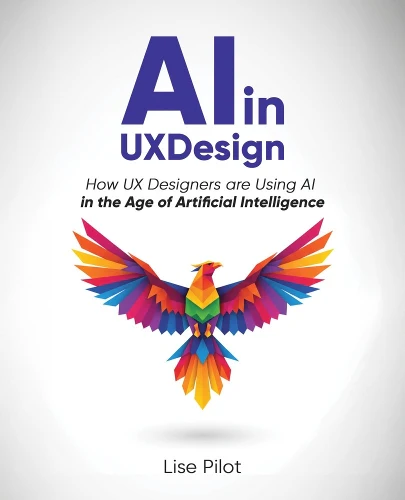
AI in UX Design
Move beyond AI hype and learn how modern UX designers use ChatGPT, Claude, Figma, Lovable, Replit, and no-code tools to turn insight into tested experiences while keeping judgment, ethics, and users at the center
Key Features
Discover how AI shifts UX from static deliverables to active product orchestration
Apply prompts for briefs, personas, journeys, requirements, and usability planning
Prototype earlier with no-code AI tools and reduce handoff risk before build
Book DescriptionAI in UX Design helps practicing designers understand what changes when generative AI becomes part of everyday product work. Rather than treating AI as a shortcut or a threat, this updated and expanded edition shows how to use it as a teammate for framing problems, synthesizing research, drafting artifacts, and learning from users sooner.
Explore how ChatGPT, Claude, Gemini, Figma, Lovable, Replit, v0.dev, Bolt.new, and Base44 fit into modern UX workflows. The book shows how AI can support discovery, personas, JTBD, user flows, requirements, accessibility checks, localization tests, and no-code prototyping.
A real case study follows a marketplace idea from opportunity framing to personas, storyboards, UI flows, a functional prototype, and user validation, showing how designers can move from concept to evidence in hours or days rather than weeks.
The book also addresses the expanding role of UX designers as orchestrators who guide intelligent systems, shape product direction, and collaborate closer to build. With guidance on responsible AI design, transparency, human control, fairness, safety, and accountability, it keeps human-centered design at the core of faster workflows.
Designed for professionals who know UX fundamentals, this book offers a grounded path to working with AI confidently, critically, and creatively.What you will learn
Judge AI outputs as hypotheses, not final answers
Turn raw research into clearer design briefs
Draft personas, JTBD, flows, and requirements
Prototype earlier with Lovable, Replit, and Figma
Validate ideas with users before engineering begins
Spot AI bias, hallucinations, and false confidence
Apply responsible AI principles to UX decisions
Position your UX role for strategy and ownership
Who this book is forThis book is for practicing UX designers, product designers, senior designers, and design leaders who understand UX fundamentals and want to adapt their process for a generative AI world. It is ideal for professionals in digital products, SaaS, enterprise software, platforms, and consumer apps who want faster discovery, sharper synthesis, earlier prototyping, and stronger product influence. No AI expertise, coding background, or machine learning knowledge is required; the focus is on practical workflows, judgment, validation, and responsible design.
$46.79
AI in UX Design—
$46.79
AI in UX Design
Move beyond AI hype and learn how modern UX designers use ChatGPT, Claude, Figma, Lovable, Replit, and no-code tools to turn insight into tested experiences while keeping judgment, ethics, and users at the center
Key Features
Discover how AI shifts UX from static deliverables to active product orchestration
Apply prompts for briefs, personas, journeys, requirements, and usability planning
Prototype earlier with no-code AI tools and reduce handoff risk before build
Book DescriptionAI in UX Design helps practicing designers understand what changes when generative AI becomes part of everyday product work. Rather than treating AI as a shortcut or a threat, this updated and expanded edition shows how to use it as a teammate for framing problems, synthesizing research, drafting artifacts, and learning from users sooner.
Explore how ChatGPT, Claude, Gemini, Figma, Lovable, Replit, v0.dev, Bolt.new, and Base44 fit into modern UX workflows. The book shows how AI can support discovery, personas, JTBD, user flows, requirements, accessibility checks, localization tests, and no-code prototyping.
A real case study follows a marketplace idea from opportunity framing to personas, storyboards, UI flows, a functional prototype, and user validation, showing how designers can move from concept to evidence in hours or days rather than weeks.
The book also addresses the expanding role of UX designers as orchestrators who guide intelligent systems, shape product direction, and collaborate closer to build. With guidance on responsible AI design, transparency, human control, fairness, safety, and accountability, it keeps human-centered design at the core of faster workflows.
Designed for professionals who know UX fundamentals, this book offers a grounded path to working with AI confidently, critically, and creatively.What you will learn
Judge AI outputs as hypotheses, not final answers
Turn raw research into clearer design briefs
Draft personas, JTBD, flows, and requirements
Prototype earlier with Lovable, Replit, and Figma
Validate ideas with users before engineering begins
Spot AI bias, hallucinations, and false confidence
Apply responsible AI principles to UX decisions
Position your UX role for strategy and ownership
Who this book is forThis book is for practicing UX designers, product designers, senior designers, and design leaders who understand UX fundamentals and want to adapt their process for a generative AI world. It is ideal for professionals in digital products, SaaS, enterprise software, platforms, and consumer apps who want faster discovery, sharper synthesis, earlier prototyping, and stronger product influence. No AI expertise, coding background, or machine learning knowledge is required; the focus is on practical workflows, judgment, validation, and responsible design.
Product Information
Product Information
Shipping & Returns
Shipping & Returns
Description
Move beyond AI hype and learn how modern UX designers use ChatGPT, Claude, Figma, Lovable, Replit, and no-code tools to turn insight into tested experiences while keeping judgment, ethics, and users at the center
Key Features
Discover how AI shifts UX from static deliverables to active product orchestration
Apply prompts for briefs, personas, journeys, requirements, and usability planning
Prototype earlier with no-code AI tools and reduce handoff risk before build
Book DescriptionAI in UX Design helps practicing designers understand what changes when generative AI becomes part of everyday product work. Rather than treating AI as a shortcut or a threat, this updated and expanded edition shows how to use it as a teammate for framing problems, synthesizing research, drafting artifacts, and learning from users sooner.
Explore how ChatGPT, Claude, Gemini, Figma, Lovable, Replit, v0.dev, Bolt.new, and Base44 fit into modern UX workflows. The book shows how AI can support discovery, personas, JTBD, user flows, requirements, accessibility checks, localization tests, and no-code prototyping.
A real case study follows a marketplace idea from opportunity framing to personas, storyboards, UI flows, a functional prototype, and user validation, showing how designers can move from concept to evidence in hours or days rather than weeks.
The book also addresses the expanding role of UX designers as orchestrators who guide intelligent systems, shape product direction, and collaborate closer to build. With guidance on responsible AI design, transparency, human control, fairness, safety, and accountability, it keeps human-centered design at the core of faster workflows.
Designed for professionals who know UX fundamentals, this book offers a grounded path to working with AI confidently, critically, and creatively.What you will learn
Judge AI outputs as hypotheses, not final answers
Turn raw research into clearer design briefs
Draft personas, JTBD, flows, and requirements
Prototype earlier with Lovable, Replit, and Figma
Validate ideas with users before engineering begins
Spot AI bias, hallucinations, and false confidence
Apply responsible AI principles to UX decisions
Position your UX role for strategy and ownership
Who this book is forThis book is for practicing UX designers, product designers, senior designers, and design leaders who understand UX fundamentals and want to adapt their process for a generative AI world. It is ideal for professionals in digital products, SaaS, enterprise software, platforms, and consumer apps who want faster discovery, sharper synthesis, earlier prototyping, and stronger product influence. No AI expertise, coding background, or machine learning knowledge is required; the focus is on practical workflows, judgment, validation, and responsible design.