🎉 Up to 70% Off Selected ItemsShop Sale

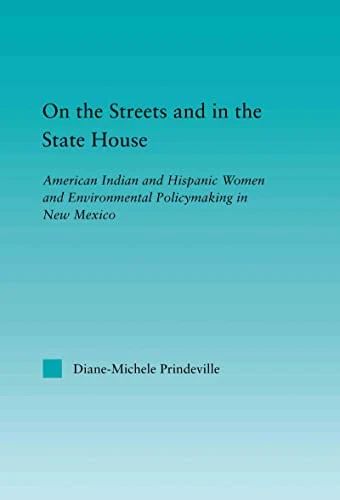
On the Streets and in the State House
This study explores the politics of American Indian and Hispanic women leaders in New Mexico's environmental policymaking arena. Using non-random purposive sampling, 50 women were selected for participation who were political activists in grassroots organization or public officials, elected or appointed to local, state or tribal government. Personal interviews were employed to gather data on their political socialization, their leadership trajectories, their motives for engagement in public life, their political ideology, their racial-ethnic- and gender identity and their policy agendas and strategies for influencing public policymaking.
$78.75
Original: $225.00
-65%On the Streets and in the State House—
$225.00
$78.75On the Streets and in the State House
This study explores the politics of American Indian and Hispanic women leaders in New Mexico's environmental policymaking arena. Using non-random purposive sampling, 50 women were selected for participation who were political activists in grassroots organization or public officials, elected or appointed to local, state or tribal government. Personal interviews were employed to gather data on their political socialization, their leadership trajectories, their motives for engagement in public life, their political ideology, their racial-ethnic- and gender identity and their policy agendas and strategies for influencing public policymaking.
Product Information
Product Information
Shipping & Returns
Shipping & Returns
Description
This study explores the politics of American Indian and Hispanic women leaders in New Mexico's environmental policymaking arena. Using non-random purposive sampling, 50 women were selected for participation who were political activists in grassroots organization or public officials, elected or appointed to local, state or tribal government. Personal interviews were employed to gather data on their political socialization, their leadership trajectories, their motives for engagement in public life, their political ideology, their racial-ethnic- and gender identity and their policy agendas and strategies for influencing public policymaking.