🎉 Up to 70% Off Selected ItemsShop Sale

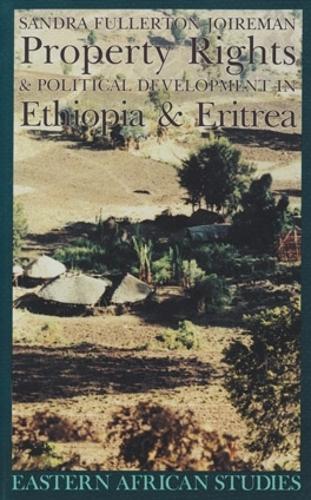
Property Rights and Political Development in Ethiopia and Eritrea
This book looks at the microfoundations of poverty in the developing world and in particular those present in property rights. The local institutions that govern land access are fundamental in affecting the distribution of wealth in a society. Property rights matter because they affect political development and economic growth. Development economists and policy makers often work on the assumption that property rights evolve from collective to more specified systems. The author has set out to test this theory by using the evidence available in the special cases of Ethiopia and Eritrea. Political scientists and economists working in land tenure and land reform will find rich comparative material in Professor Joireman's contribution.
$22.68
Property Rights and Political Development in Ethiopia and Eritrea—
$22.68
Property Rights and Political Development in Ethiopia and Eritrea
This book looks at the microfoundations of poverty in the developing world and in particular those present in property rights. The local institutions that govern land access are fundamental in affecting the distribution of wealth in a society. Property rights matter because they affect political development and economic growth. Development economists and policy makers often work on the assumption that property rights evolve from collective to more specified systems. The author has set out to test this theory by using the evidence available in the special cases of Ethiopia and Eritrea. Political scientists and economists working in land tenure and land reform will find rich comparative material in Professor Joireman's contribution.
Product Information
Product Information
Shipping & Returns
Shipping & Returns
Description
This book looks at the microfoundations of poverty in the developing world and in particular those present in property rights. The local institutions that govern land access are fundamental in affecting the distribution of wealth in a society. Property rights matter because they affect political development and economic growth. Development economists and policy makers often work on the assumption that property rights evolve from collective to more specified systems. The author has set out to test this theory by using the evidence available in the special cases of Ethiopia and Eritrea. Political scientists and economists working in land tenure and land reform will find rich comparative material in Professor Joireman's contribution.