🎉 Up to 70% Off Selected ItemsShop Sale

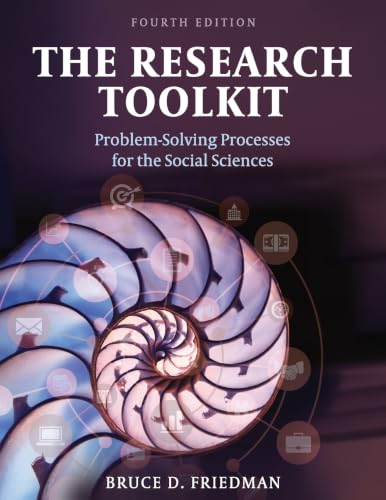
The Research Toolkit
The fourth edition of The Research Toolkit: Problem-Solving Processes for the Social Sciences provides readers with practical, step-by-step guidance on navigating the research process, with an emphasis on applications within the social sciences. Its twelve chapters are written in an accessible style directly to students new to research methods and are designed to instill confidence.
The book considers research through a critical thinking lens and examines the different kinds of methods. Examples drawn from a wide variety of fields including social work, education, and medicine illustrate the connection between research and practice.
Updates to the Fourth Edition:
* Contains expanded examples highlighting the application of research tools in medicine and education.
* Offers best practices in communicating with neurodiverse populations.
* Reflects the latest terminology used in the field, such as the use of "unhoused" instead of "homeless."
* Includes new approaches to community-based research and updated strategies for developing evidence-based solutions.
This book fills a much-needed gap for today's AI-focused learners by breaking down the process of understanding how to answer a question. It is appropriate for undergraduate and graduate-level courses across the social sciences as well as by professionals seeking to apply research frameworks in practice-oriented settings.
The book considers research through a critical thinking lens and examines the different kinds of methods. Examples drawn from a wide variety of fields including social work, education, and medicine illustrate the connection between research and practice.
Updates to the Fourth Edition:
* Contains expanded examples highlighting the application of research tools in medicine and education.
* Offers best practices in communicating with neurodiverse populations.
* Reflects the latest terminology used in the field, such as the use of "unhoused" instead of "homeless."
* Includes new approaches to community-based research and updated strategies for developing evidence-based solutions.
This book fills a much-needed gap for today's AI-focused learners by breaking down the process of understanding how to answer a question. It is appropriate for undergraduate and graduate-level courses across the social sciences as well as by professionals seeking to apply research frameworks in practice-oriented settings.
$91.99
The Research Toolkit—
$91.99
The Research Toolkit
The fourth edition of The Research Toolkit: Problem-Solving Processes for the Social Sciences provides readers with practical, step-by-step guidance on navigating the research process, with an emphasis on applications within the social sciences. Its twelve chapters are written in an accessible style directly to students new to research methods and are designed to instill confidence.
The book considers research through a critical thinking lens and examines the different kinds of methods. Examples drawn from a wide variety of fields including social work, education, and medicine illustrate the connection between research and practice.
Updates to the Fourth Edition:
* Contains expanded examples highlighting the application of research tools in medicine and education.
* Offers best practices in communicating with neurodiverse populations.
* Reflects the latest terminology used in the field, such as the use of "unhoused" instead of "homeless."
* Includes new approaches to community-based research and updated strategies for developing evidence-based solutions.
This book fills a much-needed gap for today's AI-focused learners by breaking down the process of understanding how to answer a question. It is appropriate for undergraduate and graduate-level courses across the social sciences as well as by professionals seeking to apply research frameworks in practice-oriented settings.
The book considers research through a critical thinking lens and examines the different kinds of methods. Examples drawn from a wide variety of fields including social work, education, and medicine illustrate the connection between research and practice.
Updates to the Fourth Edition:
* Contains expanded examples highlighting the application of research tools in medicine and education.
* Offers best practices in communicating with neurodiverse populations.
* Reflects the latest terminology used in the field, such as the use of "unhoused" instead of "homeless."
* Includes new approaches to community-based research and updated strategies for developing evidence-based solutions.
This book fills a much-needed gap for today's AI-focused learners by breaking down the process of understanding how to answer a question. It is appropriate for undergraduate and graduate-level courses across the social sciences as well as by professionals seeking to apply research frameworks in practice-oriented settings.
Product Information
Product Information
Shipping & Returns
Shipping & Returns
Description
The fourth edition of The Research Toolkit: Problem-Solving Processes for the Social Sciences provides readers with practical, step-by-step guidance on navigating the research process, with an emphasis on applications within the social sciences. Its twelve chapters are written in an accessible style directly to students new to research methods and are designed to instill confidence.
The book considers research through a critical thinking lens and examines the different kinds of methods. Examples drawn from a wide variety of fields including social work, education, and medicine illustrate the connection between research and practice.
Updates to the Fourth Edition:
* Contains expanded examples highlighting the application of research tools in medicine and education.
* Offers best practices in communicating with neurodiverse populations.
* Reflects the latest terminology used in the field, such as the use of "unhoused" instead of "homeless."
* Includes new approaches to community-based research and updated strategies for developing evidence-based solutions.
This book fills a much-needed gap for today's AI-focused learners by breaking down the process of understanding how to answer a question. It is appropriate for undergraduate and graduate-level courses across the social sciences as well as by professionals seeking to apply research frameworks in practice-oriented settings.
The book considers research through a critical thinking lens and examines the different kinds of methods. Examples drawn from a wide variety of fields including social work, education, and medicine illustrate the connection between research and practice.
Updates to the Fourth Edition:
* Contains expanded examples highlighting the application of research tools in medicine and education.
* Offers best practices in communicating with neurodiverse populations.
* Reflects the latest terminology used in the field, such as the use of "unhoused" instead of "homeless."
* Includes new approaches to community-based research and updated strategies for developing evidence-based solutions.
This book fills a much-needed gap for today's AI-focused learners by breaking down the process of understanding how to answer a question. It is appropriate for undergraduate and graduate-level courses across the social sciences as well as by professionals seeking to apply research frameworks in practice-oriented settings.